
4 minutes
⟵ Back to Blog
Benefits of walking
Contents
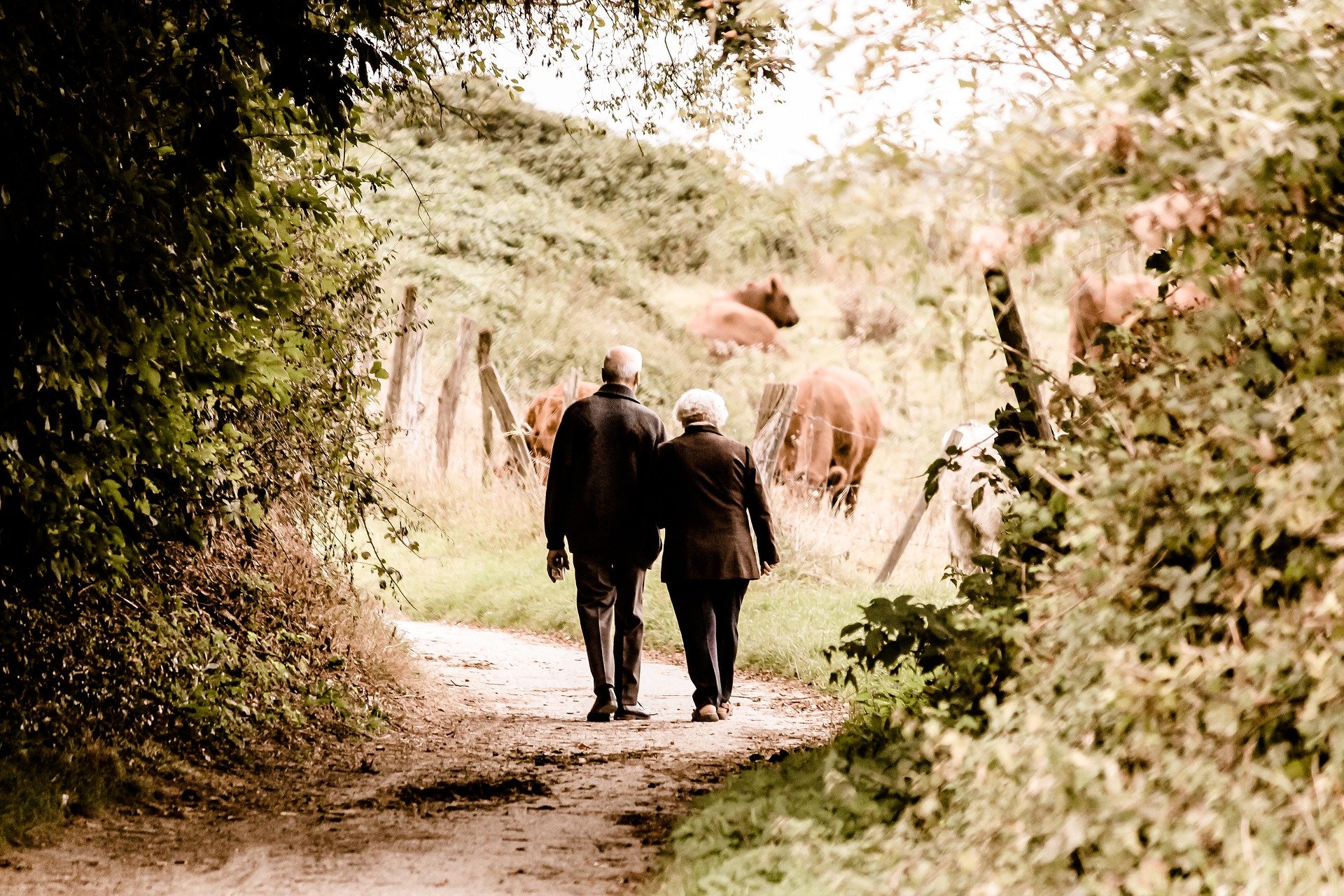
We have been walking since we were infants when we learnt this skill by trial and error and lots of repetition until it became an automatic program in our subconscious. There is no ‘correct way to walk’ as such, because it depends on your individual structure, but naturally our body finds our most efficient style. We all have our own particular gait (manner of walking) and often you can often identify someone you know well by the way they walk, long before you even recognise their face.
The Benefits of Walking
Walking can be a great way to increase our daily activity level as well as a purposeful form of exercise to improve, or maintain, fitness and good levels of physical activity even as we age. A lot of evidence shows good levels of physical activity throughout life has a big impact on maintaining our physical and mental health and that lack of exercise is a major cause of chronic disease. The work of 2 demographers, Giovanni Pes and Michel Poulain, identified 5 localized populations in the world who had the most centenarians. One of the habits they shared, which the demographers believe played a part in their longevity, was moderate regular physical activity as a way of life, including walking around 10,000 steps a day, as part of their daily life as shepherds and farmers.
 Doing more walking as part of our modern western lifestyles usually involves changing our daily habits. For example, the convenience of cars and public transport mean we may need to consciously choose to walk more often. For some people they can choose to walk to work or the shops but for others, if this is too far, they could consider parking further away or getting off the bus a few stops earlier in order to incorporate some walking into the journey. Why don’t you make it a challenge to do this during May? Covid lockdown restrictions have meant we may have caught up with friends and family on a walk rather than sitting for a coffee, so hopefully this is a good habit we can continue with as restrictions lift, maybe adding a bonus tea or coffee at the end to reward ourselves!
Taking the First Step
So, if you are recovering from injury, have chronic pain or aren’t currently doing much walking, it is all about taking the first step! Decide to get started where you are at, make a plan to do it regularly and then incrementally building up your time and distance, knowing that walking is a safe and healthy activity to engage in with significant health and wellbeing benefits. Aim to walk with a relaxed style at a reasonable pace, because the slower and more carefully you walk, the less efficient it is for your body. Walking downhill, you will have less discomfort if you take smaller quicker steps than slower bigger ones, and walking poles might also aid your confidence to walk at a more efficient pace. Your body will adapt to reasonable increases in load by becoming more resilient over time so that you are able to walk further.
 With May being walking month, this is a great time to start the challenge of increasing your daily walking. Some people find devices which track activity motivate performance such as fitbits or Strava. To add to the enjoyment of walking, especially if you have some discomfort, you may choose to walk with a friend or a dog, listen to music or a podcast, chat on the phone and/or choose an inspiring location in nature. Active mindfulness whilst walking can also be very helpful to keep your attention off any discomfort in your body.
Why not spend a couple of minutes really noticing and savouring different sensations in turn. For example:
- noticing sounds of your coat rustling, your footfall or sounds in the environment
- noticing how many different shades of green you can see, or
- noticing sensations of heat/coolness/breeze on your skin and in your hair.
So, what are you waiting for? Don’t wait for the perfect weather conditions, I encourage you to get your comfortable walking shoes on and enjoy walking.