
3 minutes
⟵ Back to Blog
A Weekend of Learning, Connection and Hope
Contents
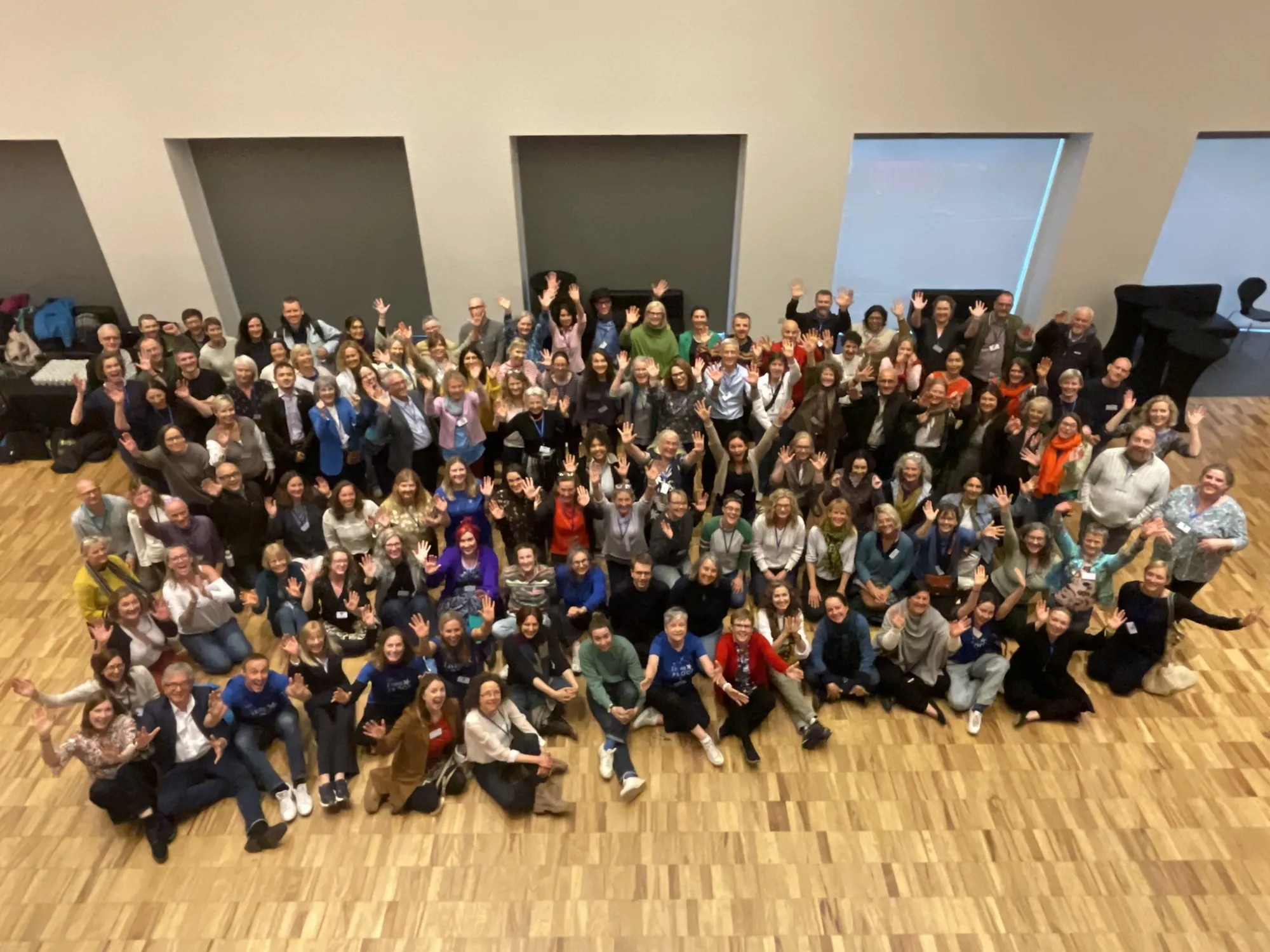
The Mind-Body Medicine Masterclass with Dr. Howard Schubiner
On 15th–16th April, Manchester played host to a truly inspiring event—the Mind-Body Medicine Masterclass, led by Howard Schubiner and organised through a collaboration between SIRPA and Living Proof.
It brought together practitioners and those interested in mind-body work from the UK, across Europe, the USA and beyond—for two days of learning, connection, and shared purpose.

More than just a course
This wasn’t just two days of lectures. It was:
- two days of learning
- two days of meeting like-minded people
- two days of exploring and feeling the work in action
- and, importantly, two days of socialising and building community
There was a real sense of something growing—a collective movement towards a deeper understanding of neuroplastic symptoms and recovery.
Learning from a leader in the field
Howard Schubiner brought, as always, his incredible depth of knowledge and the latest research into neuroplastic conditions.
But just as importantly, he brought:
- his warmth
- his compassion
- and his humanness
(And yes—even some memorable dancing.)
The teaching covered:
- the science behind persistent pain and other neuroplastic symptoms
- Pain Reprocessing Therapy (PRT)
- Emotional Awareness and Expression Therapy (EAET)
- and the role of the brain and nervous system in maintaining—and resolving—symptoms


Powerful moments in the room
One of the most impactful parts of the weekend was seeing the work in action.
Five volunteers bravely came to the front to take part in provocative testing—sharing their real, lived symptoms with the room.
Through guided exercises, we were able to witness:
- how symptoms could change in real time
- how understanding and safety can influence the body
- and what shifted not just in the moment, but by the following day
It brought the theory to life in a way that felt both powerful and hopeful.
Making emotional work more accessible
Another key takeaway was how clearly the process of accessing and working with emotions was explained.
Using EAET, Howard demonstrated ways to:
- safely explore emotional responses
- connect symptoms with underlying patterns
- and approach this work in a way that felt structured, understandable, and supportive
For many in the room, this brought a sense of clarity—and renewed confidence in how to help patients move forward.
A shared purpose
What made the event especially special was the diversity of people in the room. Alongside some who attended for their own healing, there were:
- osteopaths
- physiotherapists
- doctors
- Psychotherapists and Counsellors
- nurses
- occupational therapists
- coaches
- Holistic therapists
(All united by a shared interest in supporting people with persistent pain and symptoms.)
The conversations—whether in lectures, workshops, or even lunch queues—were rich, open, and inspiring.
Hearing recovery stories, and the wide range of symptoms people had overcome, was a powerful reminder of what’s possible.
Community, connection, and some delicious food
The setting at the Whitworth Art Gallery added something special to the experience. Between sessions, there was time to connect, reflect, and share ideas—often over some excellent food.
These informal moments were just as valuable as the teaching itself.
Gratitude and looking ahead
A huge thank you goes to:
- Claire Bernie, Sarah Howarth and Dr Sarah Hadfield and the team at Living Proof
- Georgie Oldfield and the SIRPA team
for bringing together such an inspiring and important event.
Creating space for this level of learning, connection, and collaboration is no small thing—and its impact will ripple far beyond those two days.

An exciting time for mind-body work
There was a real sense throughout the masterclass that this is an exciting and evolving time in healthcare.
More and more practitioners are recognising the importance of:
- the brain
- the nervous system
- and the whole-person approach to pain
And with leaders like Howard Schubiner continue to share their knowledge so generously, this work is becoming more accessible than ever.
Final thoughts
Events like this remind us that recovery is possible—even when symptoms have been present for a long time.
They remind us that understanding the body differently can open new doors.
And they remind us of the power of community—of people coming together with a shared purpose to learn, grow, and support others.