
6 minutes
⟵ Back to Blog
Avoiding Self-Induced Stress – A personal experience
Contents
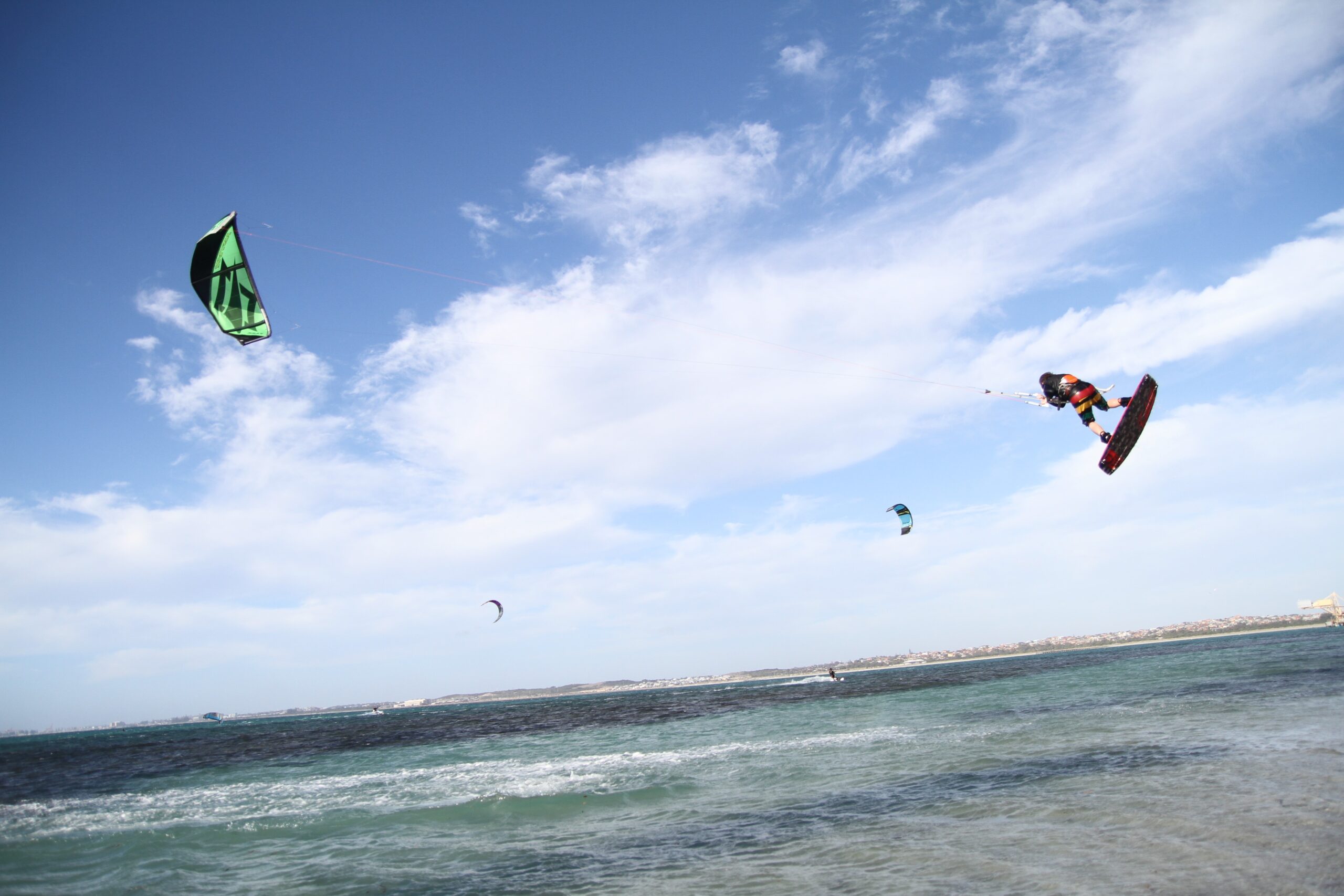
One evening I received a call from my son who was in A&E, having had an accident while kite-surfing at an event on the south coast. We live more than 5 hours north from where he was and he lives 4 hours west of there, so he was completely on his own and not surprisingly was feeling quite vulnerable as he waited to hear the extent of his injury.
Kite-buggy accident
This brought back memories of a similar call 13 years earlier when he had had an accident with his kite-buggy and that time he had concussed himself and badly broken his collarbone. The difference in how I reacted to both these events was considerable and made a huge difference to the amount of distress I experienced, which is why I thought I would write this down in case it helps anyone else.
On the first occasion my son was on a beach in the south west and I was in Wales with my daughter and friends. My husband was at home in Yorkshire, so we were both hours away from him. Thankfully the Mother of the friend he was staying with is a Nurse and she was able to be with him as he waited in A&E before he was admitted. My husband was a little closer and luckily was able to drive down and bring him home the next day, while I drove home the following day.
How I reacted…….
When I look back, I remember feeling absolutely distraught that this had happened and I spent hours catastrophising about the extent of his injuries and worrying about not being with him, while waiting for news. I was unable to eat my dinner as I waited and the longer I waited the more anxious and distressed I felt.
Kite-Surfing: crash landing
On this occasion he apparently crash landed into the sea on his board from a height of about 20 feet. Although older this time, he was on his own and his injury was potentially more challenging because it involved his knee and would require surgery. No matter how old your children are, they are still your children and therefore it’s upsetting to know they are suffering.
However, there is an understanding that our perceived stress is actually only about 10% of what happens to us and 90% a result of how we deal with it. Thankfully this time I was aware of that, which helped me prevent myself from creating the significant amount of self-induced stress that I had caused myself the first time through catastrophising and generally worrying, especially about things I had no control over.
Maybe some of my reaction the first time was because he was only 16 and it was the first time he’d had an accident like that. However, on both the occasions my son had been injured, he was already in A&E and when he called me he wasn’t 100% sure of the full extent of his injuries, plus this time he was on his own. However, when he called me this time, I was immediately aware that I had a choice as to how I reacted.
We knew he would require surgery but didn’t know when this would be done and so we had to remain clear-headed in order to sort out the logistics of (at least) one of us getting to him and then bringing him home, whenever that would be!
Coincidentally it happened to be the night before our online SIRPA Summit which Zoe (my PA and also a SIRPA Practitioner) and I had been planning for months, so the actual logistics of sorting this out in order to allow me to go to my son was a little more complex than it might have been!
Although it turned out that my husband was able to go, I couldn’t bear the thought of not being with my son, especially as he was to have surgery.
Thankfully I had full confidence in Zoe, who agreed to take over and that night I made sure she had all she needed to run the event from her office, including providing a recorded webinar to replace the one I had planned to do on the day.
Avoiding Self-Induced Stress
Although this time there was far more for me to organise, as well as knowing my son required surgery, I was able to remain calm throughout. Even though my son was distressed when he first called, I knew I needed to keep a clear head in order to plan how and when we could be with him.
I was of course concerned about the extent of his injury and the surgery, but this time I was far more able to accept that I couldn’t change what had already happened. I also knew that he was safe and in good hands, so my priority was sorting everything out in order for us to be able to be there for him as soon as possible.
It would have been easy to ignore the normal emotions that an event like this can trigger though, because I was busy preparing and then getting up very early to travel down.
Thankfully however, with the awareness I now have I made sure that I practised emotional awareness and expression off and on, as well as self-soothing strategies, in order to ensure I wasn’t bottling up any emotions that all the ‘busyness’ could have distracted me from.
I also made sure that, when I was able to, I journaled about how I felt and meditated to help me offload, rationalise and remain calm. Unfortunately, when he had injured himself as a teenager I was unaware of how to deal with my reaction or the emotions that had been triggered and I just wound myself up by worrying and catastrophising.
In Summary
My son’s injury had happened towards the end of what had been a very challenging year for our family. I am very aware that I coped significantly better than I would have done if I had not come across Dr Sarno’s work and Tension Myoneural Syndrome (TMS) back in 2007. This and all the personal development I have learned about and integrated into my own life (and into SIRPA’s CPD courses) since then has also definitely helped me retain my health and wellbeing throughout it all.
This awareness allowed me on this occasion to respond consciously to the situation with my son, rather than reacting unconsciously and automatically and falling back into learned behaviours that had prior to this caused me considerably more stress than was necessary to deal with.
Thankfully I have been able to share this on the online SIRPA Recovery Programme for people currently dealing with health problems as well as in our online Practitioner training. This means we can help others become more self-empowered and more able to improve their own health and wellbeing.
On a Final Note!
My son only knew he had injured himself when his knee gave way while trying to get back onto his board. He had no pain at all, despite the fact that he required surgery to pin his tibial plateau back in place. When you consider that pain is a ‘perception’, based on numerous factors (such as personality, past experiences, beliefs about pain etc) and not an indication of tissue damage, you can start to see why this might be the case. For example, he was doing something he loved and just thought it was his turn to damage his knee, as so many of his friends had done.