
5 minutes
⟵ Back to Blog
What do skydiving and chronic pain have in common?
Contents
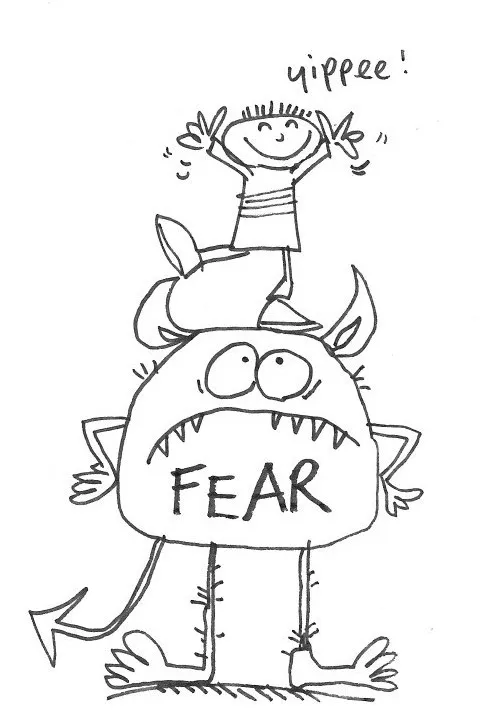
While on holiday recently I was given the opportunity to face one of my fears and do something that I wouldn’t have dreamed of doing a few years ago….. jumping out of an aeroplane. Now you might be someone who thinks this is fun and exciting, rather than frightening, but that just goes to show that fear itself is not caused by what’s happening, but how you perceive it. This is why the acronym FEAR is often used for, ‘False Experiences Appearing Real’ is so often used.
Fear as a Perception
Three years ago my husband and daughter did a tandem skydive on her 18th birthday, but the mere thought of being launched out of the aeroplane door at 15,000 feet resulted in my politely declining to join them! What I had been beginning to realise even before then though was that my fears were not due to what was happening, but the effects of me catastrophizing about it. You know what I mean, all the “what ifs” that go through our minds, which in this case was me imagining all the worst case scenarios, including the canopy not opening! This is so rare that is seems utterly ridiculous, but very few of our fears are actually based on fact.
Fears can often create huge hurdles that need to be overcome in order to recover from chronic pain. The fears might be related to a belief that there is something physically wrong with you, fear of the intensity of the pain itself, causing yourself further damage or undertaking a particular activity etc. Whether the fear is related to your pain or throwing yourself out of an aeroplane, it is created by our thoughts, based on our beliefs and previous experiences. These thoughts then create an emotion, in this case fear, which causes a response in your body, whether that’s pain, muscle spasm, anxiety or a more visceral response, such as ‘the runs’.
If our thoughts create the fear, which then triggers a physical response within us, then it makes sense that if we deal with our thoughts, this can have a more positive outcome for us, whether that’s less pain/anxiety or even no pain/anxiety! In my case, once I decided I would do the sky dive, I followed the advice I give my patients when I encourage them to overcome a fear they have related to their pain, whether that is to bend, go for a run/walk or even sit for a length of time.
Addressing Fear
1) I made sure I dealt with any initial surfacing emotions by allowing myself to feel it, rather than stuff it down. (This could be by journaling, but I used SIRPA’s Emotional Awareness Strategy)
2) Then I put things into perspective e.g. by reminding myself that I would be strapped to a professional who had done thousands of jumps safely and there had not been any major accidents.
3) I refused to allow any fearful thoughts into my head and kept my focus on how amazing it was going to be, every now and again visualising it all going beautifully.
I even surprised myself by feeling completely calm throughout the flight, well at least until just before the doors opened! At this point I deliberately kept my breathing slow and although I felt a physical surge of fear as we crept towards the open door, I was able to do as requested, rather than brace my feet against the doorway and refuse to budge (which is always what I imagined I would do!).
I admit that the first two seconds after ‘jumping’ (passively of course because the Instructor was the one who initiated it!) were terrifying, but once I saw the view below I was in awe and from then on was able to remain in the moment and enjoy it. In fact it turned out to actually be one of the most amazing experiences of my life and I would do it again in a flash given the chance.
There are so many times when we put things off because of fear, whether that’s due to our health, or in our life generally. Unfortunately this causes us to live within our comfort zone, which can then restrict us in so many ways. For people living with chronic pain, this ‘comfort zone’ can get smaller and smaller and result in isolation and loss of freedom, often with the onset of depression and anxiety as well.
However, once chronic pain is accepted as a condition that is emotionally-induced, working on your fears can be a critical part of your recovery. In fact once small successes are made and acknowledged, it can boost confidence in being able to tackle slightly bigger challenges. Just as they say when you fall off a horse you should get back on as soon as possible, the less you procrastinate over beginning to tackle your own challenges, the easier it will be. The excitement and thrill I see in so many of my patients who have overcome their fears and are living a full life again is what keeps me going in this work. I am now working on my fear of spiders and for the first time ever I managed to pick up a spider in my hands (and it wasn’t that small either!). I’m not ready for a tarantula yet, but progress is being made!
What fears have you overcome that gave you the confidence to stretch your comfort zone further?